The Ultimate Guide to Flat Pack Solid Timber Furniture in 2026
29 August 2026 · 16 min read
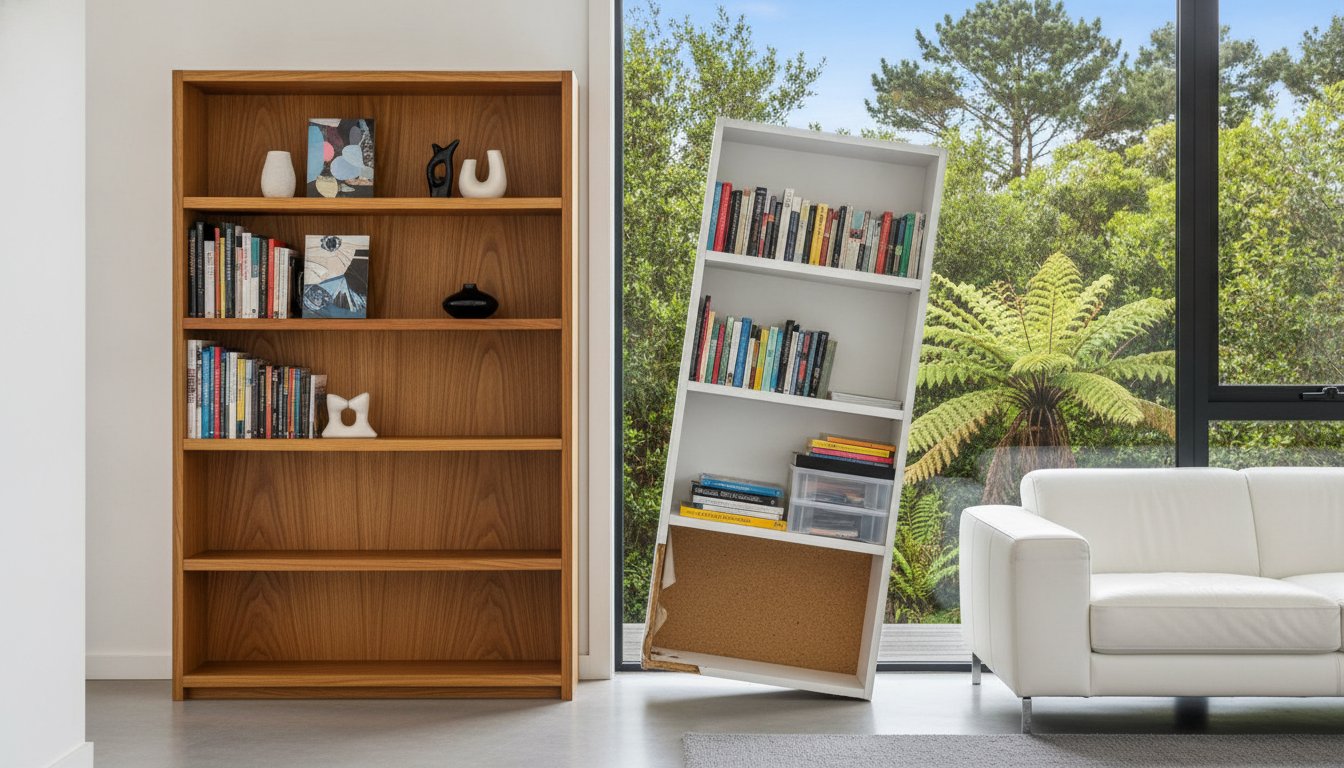
Why does the term ‘flat pack’ still conjure images of crumbling particle board and a weekend lost to missing hex keys? For too long, convenience has come at the cost of quality. You’ve likely experienced the frustration of a bookshelf that sags under its own weight or a desk that fails to survive its first house move. It’s a cycle of disposable living that feels increasingly out of place in a modern, conscious home. We agree that your furniture should be as resilient as the timber it is carved from.
This guide explores how high-quality flat pack solid timber furniture is redefining the category through precision CNC machining and refined craftsmanship. You’ll discover how it’s possible to achieve a natural timber aesthetic with straightforward assembly that requires no toolbox. We will look at the shift toward "buy once, buy well" in 2026 and how local innovation ensures your pieces are built for longevity rather than the landfill. From understanding material density to mastering the EasyFit system, this is the future of effortless, high-end interiors for the New Zealand home.
Key Takeaways
- Understand the transition from disposable composite boards to heirloom-quality pieces that prioritise longevity and structural integrity.
- Learn why solid timber provides superior durability and moisture resistance compared to standard MDF or particle board alternatives.
- Discover how the EasyFit range utilises precision interlocking joints to eliminate the need for complicated hardware and specialised tools.
- Identify the ideal timber species for your specific environment to ensure your flat pack solid timber furniture remains a permanent fixture through every move.
- Explore how local CNC machining and direct-from-sawmill sourcing ensure sub-millimetre precision and a refined, minimalist aesthetic.
What Exactly is Flat Pack Solid Timber Furniture?
Flat pack solid timber furniture represents a fundamental shift in how we think about home assembly. Traditionally, the term "flat pack" suggested a compromise. It meant accepting short-lived materials like particle board or MDF in exchange for lower costs and easier transport. This new category replaces those fragile composites with genuine, milled timber. These are precision-cut components designed for simple, often tool-free assembly. It is furniture built to last decades, not just a single lease.
The secret lies in the workshop. We source solid timber slabs directly from our own sawmill, ensuring we control the quality from the first cut. We then use local CNC machining to achieve sub-millimetre accuracy in every joint. This level of precision ensures that pieces fit together with a satisfying, snug connection that composite materials simply cannot replicate. When you use solid wood, the furniture gains the structural integrity needed to survive multiple moves. Unlike particle board, which crumbles once a screw is removed, solid timber maintains its grip and form.
The Evolution of the Flat Pack Concept
The concept has travelled a long way from its mid-century utility roots. Once seen as a temporary solution for students or first-home buyers, it has transitioned into modern luxury interiors. High-end designers now embrace the format because digital design allows for complex, interlocking timber joinery that was previously impossible to mass-produce. Modern flat pack solid timber furniture no longer implies "cheap." Instead, it represents a sophisticated marriage of traditional material and cutting-edge technology.
Solid Timber vs. Traditional Pre-Assembled Pieces
Choosing flat pack doesn't mean sacrificing the "solid feel" of factory-built items. Our EasyFit range relies on the inherent strength of the wood and the precision of the cut. This results in a finished product as stable as any pre-assembled piece once built. Shipping pre-built items across New Zealand is costly and carries a high carbon footprint. By reducing the shipping volume, we lower both the cost and the environmental impact without compromising on the quality of the timber arriving at your door.
Solid Wood vs. MDF: Why Real Timber Wins the Flat Pack Debate
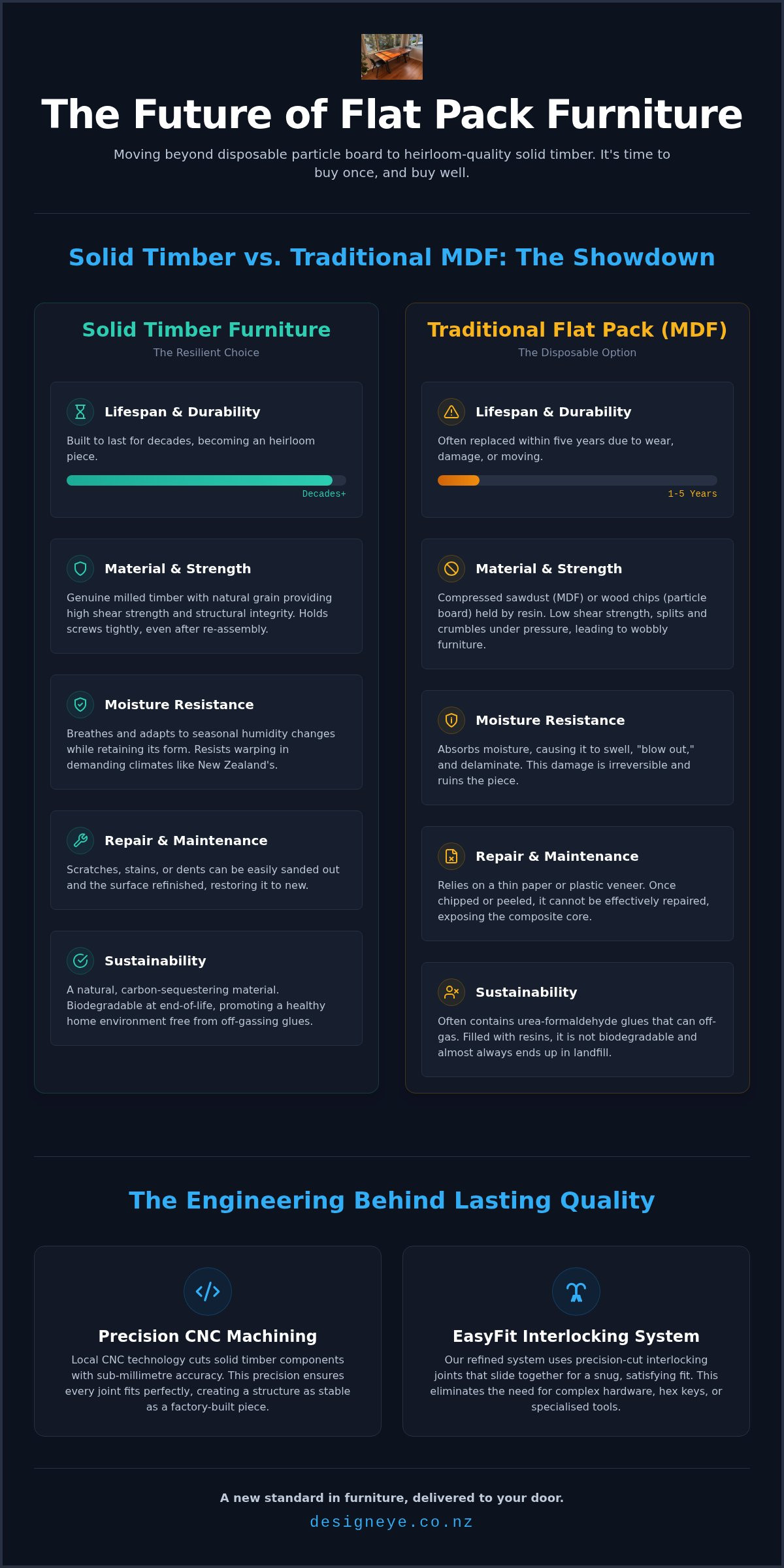
Most flat pack kits fail because the material isn't up to the task. MDF and particle board are essentially compressed sawdust held together by resins. These materials have low shear strength. When you tighten a cam lock or a screw, the material often splits or crushes. This is why standard flat pack often feels wobbly after just a few months. In contrast, flat pack solid timber furniture uses the natural grain of the wood to provide structural integrity. It doesn't crumble under pressure. There is also a distinct tactile advantage. Real wood has a weight, a warmth, and a natural scent that synthetic boards cannot replicate.
New Zealand’s climate can be demanding. High humidity causes MDF to swell and delaminate, a process that is irreversible. Once the edges "blow out," the piece is effectively ruined. Solid timber breathes. While it may move slightly with the seasons, it retains its structural form. If a solid wood surface gets scratched or stained, you can simply sand it back and refinish it. This level of repairability is impossible with laminated composites, which rely on a thin plastic or paper veneer for their appearance.
Material Comparison: Strength and Durability
Solid wood has superior screw-holding capacity. You can assemble and disassemble a solid timber piece multiple times without the holes stripping out. This makes flat pack solid timber furniture the logical choice for anyone who values a "buy once, buy well" philosophy. Impact resistance is another key factor. A knock that would leave a permanent, jagged hole in a hollow-core door or MDF panel might only cause a minor dent in solid timber. These marks often add character or can be steamed out with a damp cloth and an iron. The life cycle of a solid wood piece is measured in decades, while composite alternatives are often replaced within five years.
Environmental Impact and Sustainability
Choosing real timber is a vote for a healthier home environment. MDF and particle board often contain urea-formaldehyde glues that can off-gas into your living space. Solid timber is a natural, carbon-sequestering material. It stores carbon for the life of the furniture. At the end of its long life, real wood is biodegradable or can be repurposed. Composites, filled with resins and glues, almost always end up in a landfill. Investing in solid timber products ensures your interior choices are as sustainable as they are durable.
The Engineering Behind Easy Assembly and Structural Integrity
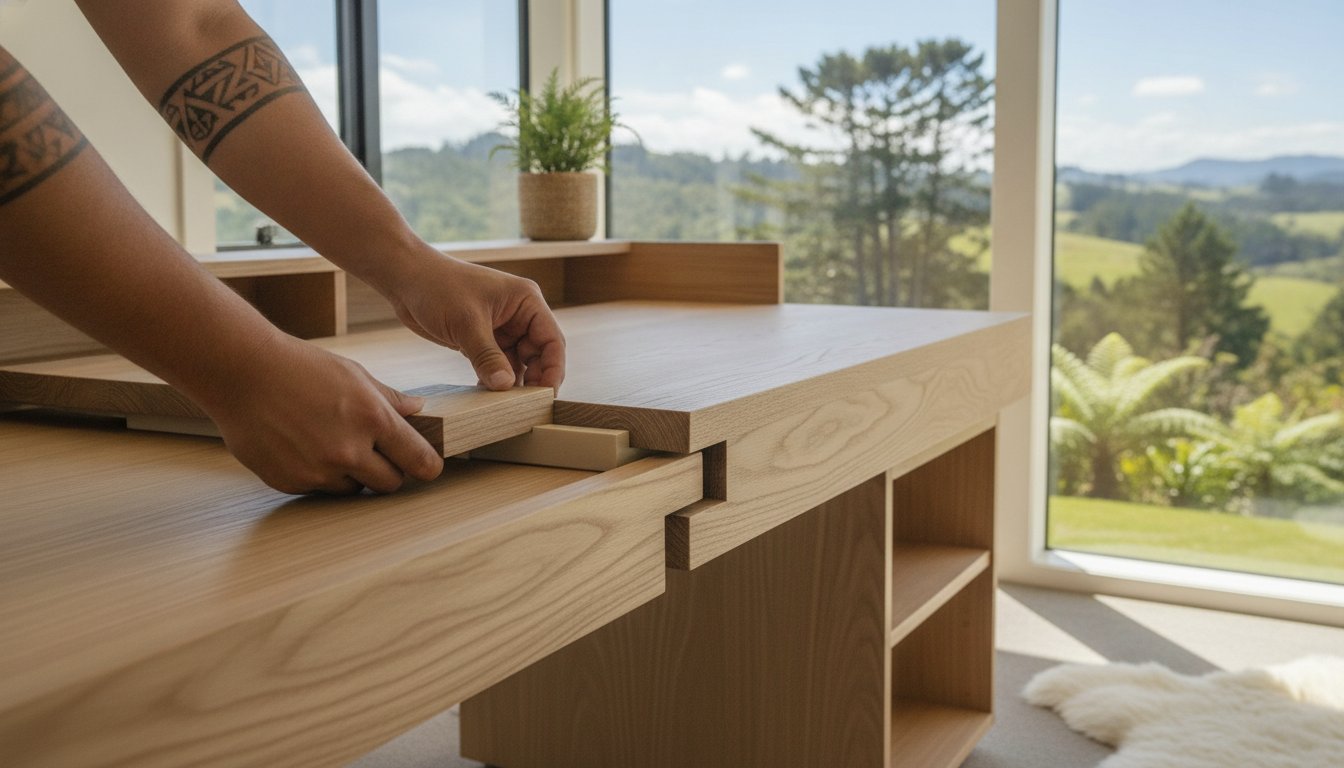
The hallmark of traditional assembly is often a bag of confusing hardware and a poorly photocopied instruction manual. This approach leads to stripped threads, lost screws, and a finished product that never feels quite stable. We have moved away from this reliance on metal fasteners. Our engineering focuses on removing the variables that cause assembly frustration. By using interlocking joints, we create a system where the timber itself provides the structural framework. This is the core of high-quality flat pack solid timber furniture. It turns a weekend chore into a logical, tactile process that anyone can master.
The "No-Tool" revolution is about more than just convenience. It is about accessibility and precision. When a piece of furniture relies on friction-fit and interlocking geometry, the margin for error is non-existent. The components must fit perfectly or they won't fit at all. This creates a "wobble-free" finish that mechanical screws simply cannot provide over the long term. You don't need a toolbox or a background in trades to achieve a professional result. You only need the components and a few minutes of your time.
The Role of CNC Machining in Modern Craftsmanship
Precision is the foundation of every piece we create. We use local CNC machining to translate digital blueprints into physical timber components with sub-millimetre accuracy. This ensures every tenon and mortise aligns perfectly every time. In mass-produced items, tolerances are often loose to account for manufacturing errors. This leads to the "forced fit" where you have to hammer a piece into place, often damaging the wood. Our process eliminates this struggle. Each component in the EasyFit range is machined to be identical to the next. This ensures a seamless transition from our workshop to your home.
Joinery That Strengthens Over Time
Mechanical fasteners like cam locks and bolts often loosen as a house settles or as seasonal temperatures change. Timber-on-timber joinery behaves differently. We design our joints to use gravity and the weight of the furniture to enhance its security. As you place items on a shelf or sit at a desk, the downward force actually tightens the friction-fit connections. This creates a level of stability that mechanical parts cannot match. Because the joints rely on geometry rather than screws biting into wood fibres, you can disassemble and reassemble these pieces as often as you like. The tension remains constant, move after move, without any loss of structural integrity.
How to Select High-Quality Timber Pieces for Your Home or Office
Selecting flat pack solid timber furniture requires an eye for material integrity. You aren't just buying a shape; you are buying a biological material that will live in your space for decades. Start with the species. Softwoods often provide a lighter footprint and ease of movement, making them ideal for shelving or accent pieces. Hardwoods offer the density required for heavy-use surfaces like dining tables or work desks. Check for grain consistency across the panels. Genuine timber features unique, non-repeating growth rings and natural knots. If a pattern looks too perfect or repeats across multiple components, it is likely a synthetic laminate rather than a solid slab.
Longevity depends on simple, consistent care. Unlike composite boards that swell and fail when exposed to moisture, solid timber is manageable. Keep surfaces pristine by using coasters and wiping spills immediately. A light application of furniture oil every few years maintains the wood’s natural lustre and prevents it from drying out over time. Because the material is solid through to the core, you have the option to sand out a stain or a scratch. This effectively resets the piece to its original condition, a feat impossible with veneered alternatives.
Identifying Quality in Flat Pack Construction
Examine the edges. High-quality pieces feature clean, precisely machined edges that showcase the honest end-grain of the wood. Beware of products that hide their internal structure behind plastic edge-banding or thin veneers. These are common signs of a "wood-look" composite. Look for intuitive assembly guides that rely on the logic of the timber joints rather than a complex list of metal hardware. A well-designed piece should feel intuitive to build. If the instructions require a dozen different types of screws and cam-locks, the design is likely compensating for poor material strength.
Matching Timber Furniture to Your Interior Style
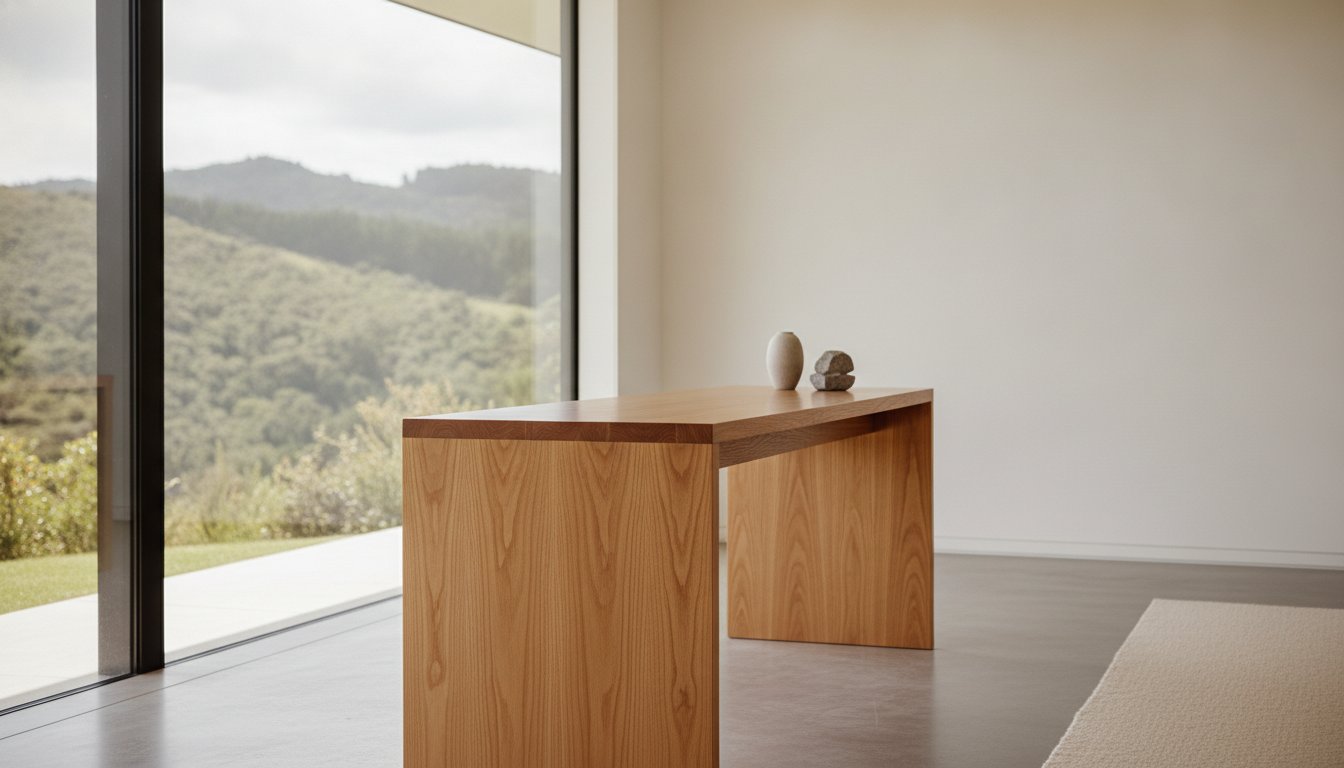
Solid timber grounds a minimalist interior. In New Zealand homes, where natural light and open spaces are prioritised, the raw beauty of the grain provides a necessary organic texture. Minimalist designs work best when they allow the material to speak for itself. A simple, well-proportioned timber shelf or table adds warmth without cluttering the visual field. It acts as a tactile anchor in a modern room, bridging the gap between clinical modernism and natural comfort. Explore our range of solid timber products to find the perfect match for your space.
Design Eye: Bringing Precision Craftsmanship to Your Doorstep
Design Eye isn't just a retailer. We are makers. Our philosophy is rooted in the belief that functional furniture should be beautiful and enduring. We combine a minimalist aesthetic with the technical proficiency of a master craftsman. This approach ensures that every piece of flat pack solid timber furniture leaving our workshop meets a standard that mass-produced imports simply cannot reach. By maintaining control over the entire process, we ensure that the intrinsic value of the timber is preserved from the moment it is milled until it sits in your home.
The journey of our timber is a short and transparent one. We source solid timber slabs directly from our own sawmill. This direct connection allows us to select the best cuts for stability and grain character. From there, the wood enters our local workshop where we apply precision CNC technology. This isn't about replacing the human hand but rather extending its capability. We use these tools to achieve sub-millimetre accuracy in our joinery, ensuring that the components fit together with a level of reliability that feels like custom cabinetry. Beyond our standard range, we offer custom CNC options for those seeking bespoke timber solutions tailored to specific architectural requirements.
The EasyFit Advantage
Our EasyFit range is the culmination of this technical focus. We prioritise solid timber for every structural component, refusing to use composite fillers or flimsy backboards. This commitment to material honesty means your furniture is robust enough for daily life. There is a quiet satisfaction in owning a piece that was designed and manufactured locally. You aren't just buying a product; you are supporting a centre of design innovation that values substance over spectacle and ensures rigorous quality control at every stage of production.
Investing in Longevity with Design Eye
Choosing our furniture is an investment in longevity. We encourage a "buy once, buy well" mentality. Our pieces are designed to grow with your home. They are modular, resilient, and easy to transport, meaning they move with your life rather than being discarded during a relocation. The durability of solid wood ensures that our flat pack solid timber furniture remains functional and attractive for decades. If you are ready to move away from disposable interiors, explore the EasyFit range of solid timber furniture today. We provide the tools for a more permanent, grounded home environment.
Redefining the Standard for Your Home
The era of disposable furniture is coming to an end. We've explored how flat pack solid timber furniture combines the convenience of modern logistics with the enduring quality of natural materials. By choosing solid wood over composite boards, you're investing in pieces that survive moves, resist moisture, and retain their structural integrity for decades. Precision engineering has removed the complexity of assembly, replacing confusing hardware with intuitive, interlocking joints that strengthen under their own weight.
Our commitment to local craftsmanship means every piece is precision CNC machined in our local workshop. We source our solid timber directly from our own sawmill to ensure material excellence from the start. Each item in the EasyFit range is designed for tool-free, stress-free assembly. This allows you to focus on the aesthetics of your space rather than the mechanics of a toolbox. It's time to ground your home with furniture built to last. Browse our EasyFit range of solid timber furniture and discover the difference of master-maker quality. Your interior deserves the reliability of genuine timber.
Frequently Asked Questions
Is flat pack solid timber furniture as strong as pre-assembled furniture?
Yes, our flat pack solid timber furniture is designed to match or exceed the stability of factory-built items. The strength comes from precision CNC machining, which ensures sub-millimetre accuracy in every joint. Unlike mass-produced items that rely on loose tolerances and metal screws, our interlocking timber joints use the natural density of the wood to create a rigid, wobble-free structure. This results in a piece that feels permanent once assembled.
How long does it take to assemble an EasyFit piece of furniture?
Assembly typically takes only a few minutes. Because the EasyFit range prioritises logical, interlocking geometry, you aren't stuck deciphering complex diagrams or sorting through bags of hardware. Most customers find the process intuitive, as the components are designed to fit together in a specific, satisfying sequence. This speed doesn't compromise the final build quality; the precision of the cut ensures a snug fit from the first step to the last.
Do I need any special tools to put together solid wood flat pack items?
No tools are required for the majority of our pieces. We've engineered the EasyFit range to be entirely tool-free, removing the need for screwdrivers, hammers, or hex keys. The structural integrity is achieved through friction-fit joints and clever timber-on-timber connections. This makes the assembly process accessible for everyone and eliminates the risk of stripping screws or damaging the timber during the build. It's a straightforward, stress-free experience.
Can I disassemble solid timber furniture if I move house?
Yes, you can disassemble and reassemble our furniture multiple times without losing structural tension. Traditional particle board furniture often crumbles or becomes loose after one move because the screws lose their grip in the composite material. Solid timber is different. Because our joints rely on the wood's own grain and precision machining, they remain tight and secure every time you put the piece back together. It's furniture designed to move with you.
Why is solid timber better than MDF for flat pack furniture?
Solid timber offers superior longevity, moisture resistance, and repairability compared to composite boards. MDF is essentially compressed sawdust and resin; it swells and delaminates when exposed to New Zealand’s humid conditions. Choosing flat pack solid timber furniture ensures your pieces breathe and maintain their form. If a surface gets scratched, you can sand and refinish it. Additionally, real timber is a carbon-sequestering material that is biodegradable, unlike chemical-laden composites.
How do I maintain the finish on my solid wood furniture?
Maintenance is minimal but essential for preserving the wood's natural lustre. We recommend wiping away spills immediately and using coasters to prevent water rings. Every few years, a light application of furniture oil will keep the timber nourished and prevent it from drying out. Because the material is solid through to the core, any significant marks or stains can be gently sanded back and refinished, ensuring your investment looks pristine for decades.
Where is Design Eye furniture designed and manufactured?
Every piece is designed, machined, and finished locally in New Zealand. We manage the entire production cycle, starting from our own sawmill where we source and mill the timber slabs. This local oversight ensures a higher standard of quality control than imported alternatives. By manufacturing in our own workshop, we can guarantee the precision of our CNC machining and maintain a direct connection between the maker and the final product in your home.
Does flat pack furniture look as good as custom-built furniture?
Yes, our focus on material quality and precision gives each piece a refined, high-end aesthetic. We use the same high-quality solid timber slabs found in bespoke commissions, highlighting the natural character and grain of the wood. The minimalist design philosophy ensures that the joinery is a feature, not a hidden compromise. When you combine local craftsmanship with sub-millimetre machining, the result is furniture that carries the weight and presence of custom-built work.
Frequently Asked Questions
Yes, flat pack solid timber furniture matches the strength of pre-assembled items when engineered correctly. We use interlocking joints and friction-fit designs that rely on the natural grain of the wood. These mechanical bonds often prove more stable than glue or metal fasteners found in factory-built pieces. Because our components are machined with sub-millimetre precision, there is no room for wobble or structural failure during daily use.
Most EasyFit pieces can be assembled in under ten minutes. The exact time depends on the complexity of the item, but the process is significantly faster than traditional flat pack kits. Because we eliminate bags of hardware and confusing instructions, you spend less time decoding diagrams and more time using your furniture. The components are designed to slide together intuitively, making the build a straightforward and satisfying experience.
You don't need any special tools or a toolbox to assemble our EasyFit range. We design our furniture to be put together using simple, interlocking joinery. This "No-Tool" philosophy ensures that anyone can achieve a professional result without searching for a hex key or screwdriver. By removing the need for hardware, we also remove the risk of stripping screws or damaging the timber during the assembly process.
Yes, you can disassemble and reassemble our solid timber pieces as often as needed. Unlike particle board or MDF, which often crumbles at the connection points after one move, solid wood retains its structural integrity. The precision-milled joints maintain their tension and fit even after multiple moves. This makes our furniture a practical choice for people who rent or move frequently, as it is built to survive the transition.
Solid timber offers superior longevity and resilience compared to MDF. Composite boards like MDF lack a natural grain, meaning they cannot hold fasteners securely over time and are prone to swelling in humid environments. Solid wood breathes with its surroundings and can be sanded or refinished if it sustains a scratch. It is a natural, carbon-sequestering material that provides a tactile warmth and durability that plastic-coated composites cannot replicate.
Maintaining your solid wood furniture is straightforward. Regular dusting with a soft, slightly damp cloth is usually enough to keep the surface clean. Avoid using harsh chemical cleaners that can strip the natural oils from the wood. Every few years, you may choose to apply a fresh coat of natural furniture oil to nourish the timber and restore its lustre. This simple care routine ensures the piece ages gracefully for decades.
Every piece is designed and manufactured locally in New Zealand. We control the entire process, from sourcing timber slabs at our own sawmill to precision machining in our workshop. This local oversight ensures a level of quality control that imported, mass-produced items cannot match. By keeping production close to home, we support local craftsmanship and reduce the environmental impact associated with long-distance shipping and complex global supply chains.
Our flat pack solid timber furniture offers the same high-end aesthetic as bespoke, custom-built pieces. The use of advanced CNC technology allows us to create complex joinery and clean lines that were once only possible for master makers. Because we use solid timber rather than veneers, the natural beauty of the grain is present throughout the entire piece. It grounds a room with an organic, sophisticated feel that looks permanent and intentional.